Collection Care
Losing a beloved animal companion is a deeply emotional experience. In the hours that follow, grief and cherished memories naturally take precedence over practical considerations. Yet, for those contemplating taxidermy as a way to preserve the physical presence of a pet, the decisions made during this time can have a lasting impact on the outcome. Proper handling and timely preservation are essential to protecting the delicate tissues, feathers, or scales that contribute to a lifelike result. We understand that this may be unfamiliar territory, particularly during such a difficult moment. This guide is intended to offer clear, thoughtful guidance to those considering this deeply personal form of remembrance, helping them make informed decisions and give their companions the best possible care from the very beginning.
What Is Silently Happening
Inside a Deceased Animal
Natural cell degradation begins shortly after an animal's death through a process called autolysis, meaning self-digestion. This process involves tiny structures inside the cells called lysosomes, sometimes nicknamed “suicide bags” because they contain around 50 different digestive enzymes. While the animal is alive, these enzymes are safely contained within protective membranes. After death, the lack of oxygen triggers a series of chemical changes, including increasing acidity inside the cells. As their internal structures begin to break down, digestive enzymes escape and start destroying the cells from within. As this process progresses, tissues gradually soften, lose their structure, and may eventually begin to liquefy.
Autolysis creates favorable conditions for bacterial decomposition, which accelerates the destruction of tissues and eventually produces visible changes to the body. Under warm and humid conditions, this deterioration can progress remarkably quickly, sometimes within just a few hours. Cold temperatures slow these processes considerably, while freezing brings them nearly to a halt.
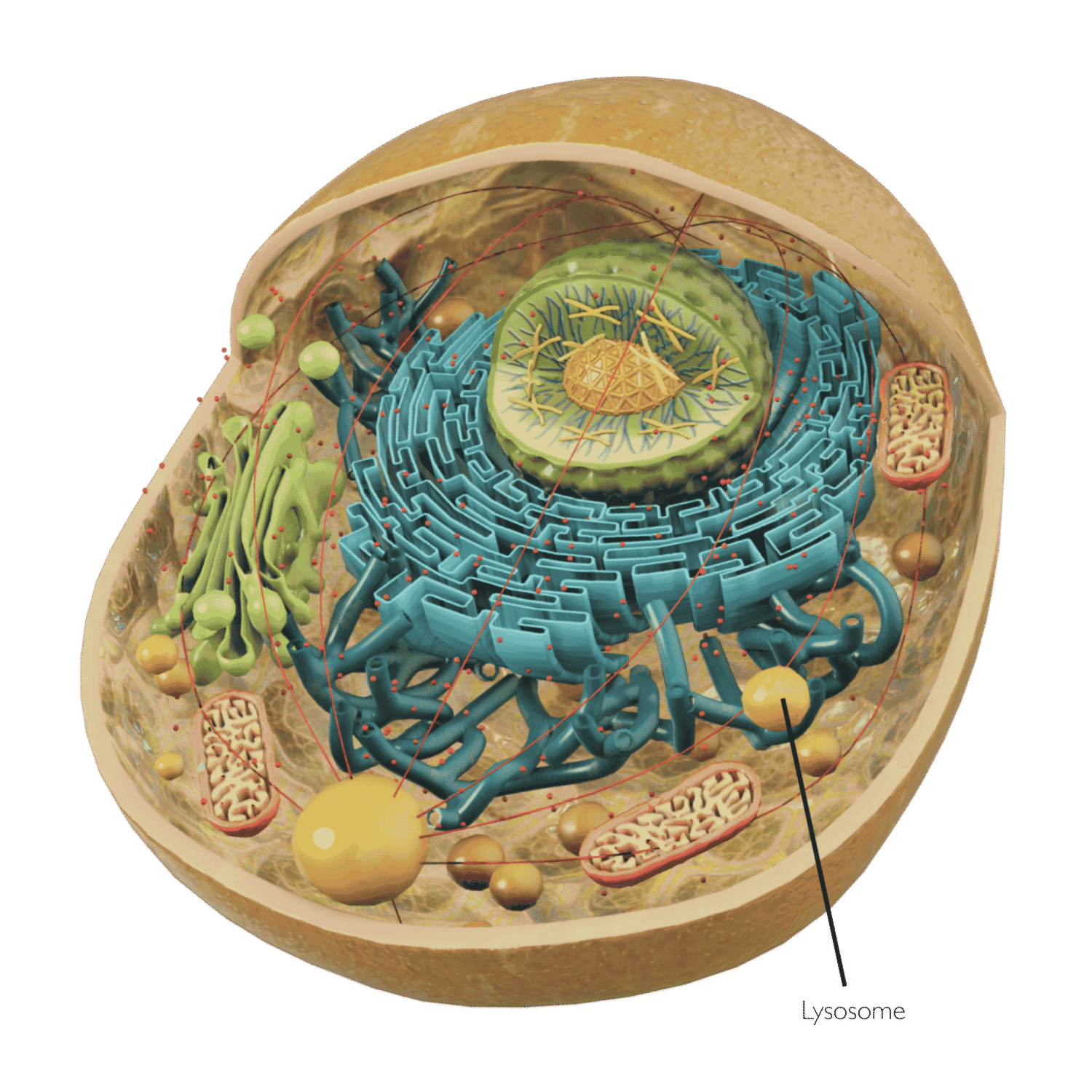
Cellular breakdown begins soon after an animal dies and, combined with bacterial activity and the accelerating effects of heat and humidity, can cause irreversible tissue damage within hours.
Taking Action
The natural post-mortem breakdown of cells and tissues is why acting promptly is so important. Once damage has occurred, freezing can arrest further deterioration, but it cannot reverse what has already been lost. As you may have already inferred, the most important first step in the preservation process is cooling your pet's body as quickly as possible. Doing so greatly increases the likelihood of successful preservation, allowing the subsequent work to be carried out respectfully and to the highest possible standards.
Even short delays at room temperature, or worse, placing the body near a heat source, can accelerate decomposition and compromise the final appearance of the preserved piece. In some cases, the resulting damage may make preservation impossible.limate, is a testament to his skill as a taxidermist.
Practical First Steps
Once the animal has passed:
-
Avoid excessive handling. Our own bodies are a source of heat, which can contribute to post-mortem deterioration.
-
Do not wash or clean the animal. Cleaning and preparation are part of the taxidermy process and will be handled professionally at the studio.
-
Do not attempt to remove or prepare the skin yourself.
-
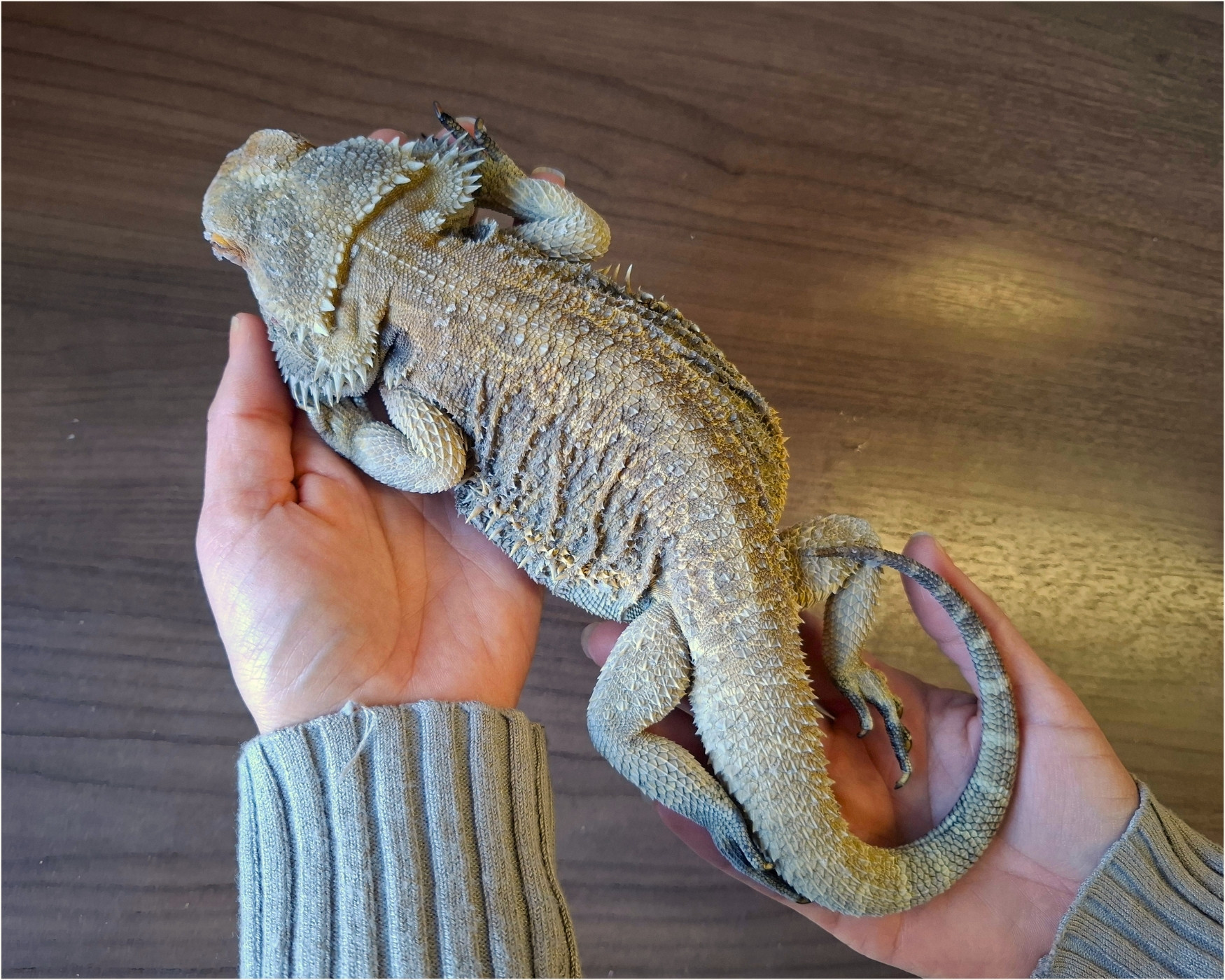
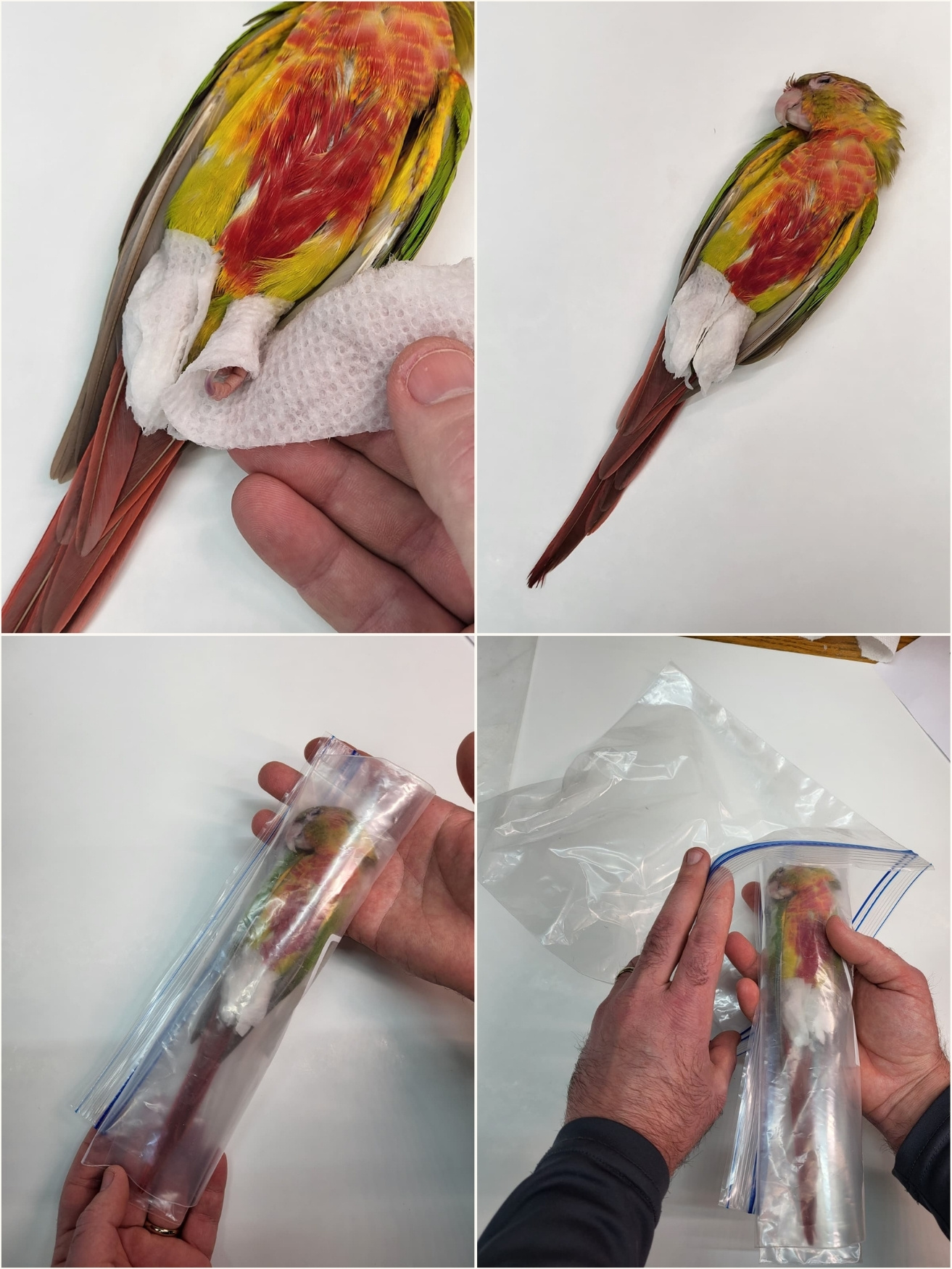
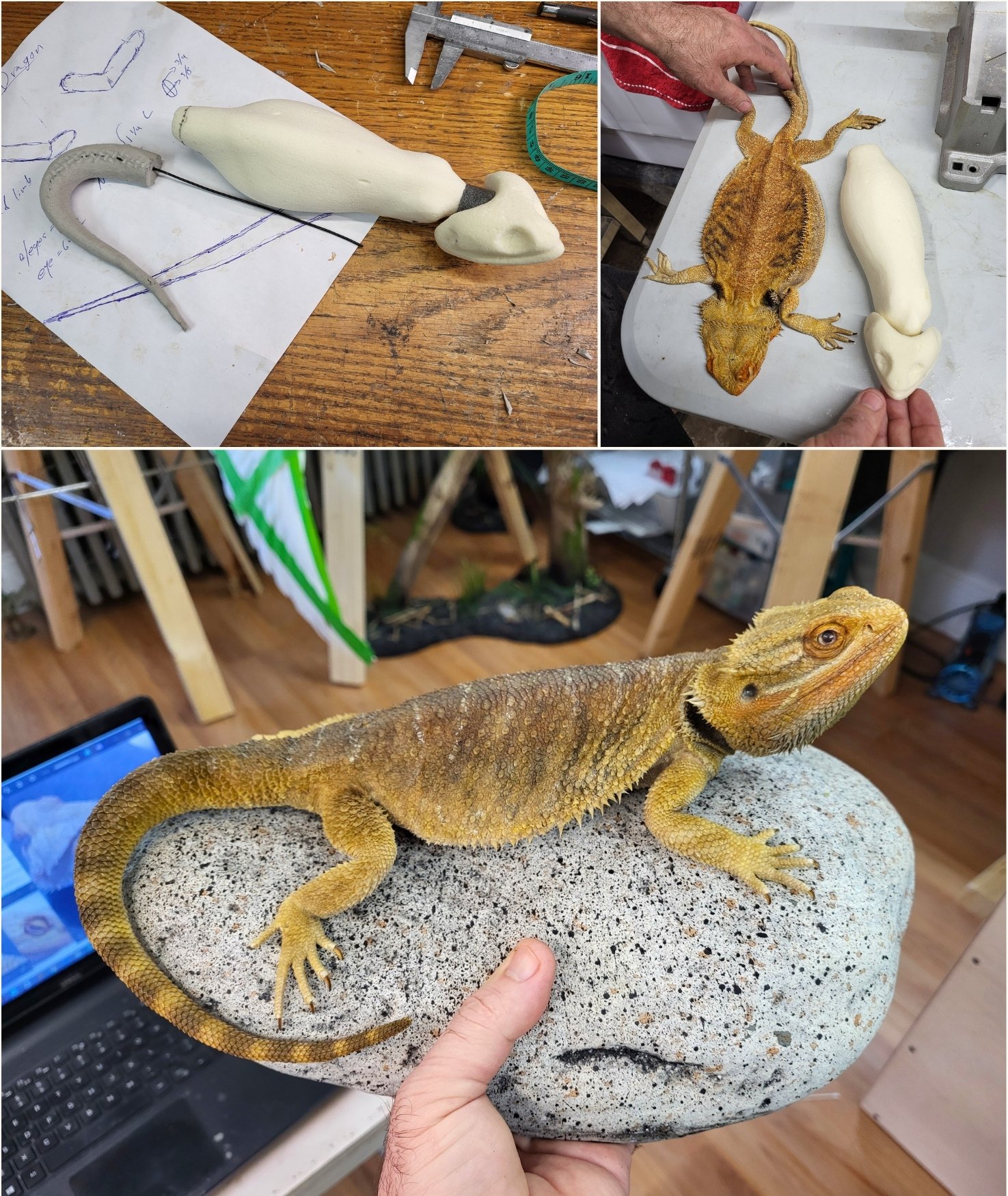
Position the animal as compactly as possible. Any part extending away from the body becomes particularly vulnerable to breakage once frozen solid. For long-necked birds, gently fold the head and neck back against the body, fold the wings, and bring the feet close together, wrapping the feet in damp paper towels to help prevent freezer burn. For lizards, bring the legs close to the body and gently curve the tail alongside it. For turtles, bring the head, legs, and tail close to the body. For snakes, simply coil the body into a compact position without forcing tight bends.
-
Place the animal inside two or three clean plastic bags, one inside the other, removing as much air as possible from each before sealing it.
-
Place the animal in a freezer immediately.
Measurements
For reptiles, measuring the total length, including the tail (in lizards and snakes), or recording the animal's weight (in turtles) is an important step before freezing and contacting your taxidermist, as reptile commissions are generally priced according to body size.
Accurate anatomical measurements are essential for recreating lifelike forms and are routinely verified during preparation. When an animal arrives frozen, the measurements provided by the client may be used for an initial quote, which remains subject to confirmation once the specimen can be properly examined. Any necessary pricing adjustments will be discussed with the client before proceeding.
Contact the Studio Early
If you are considering preservation, we recommend contacting our studio as soon as possible after cooling your pet's body. Early communication allows us to provide guidance tailored to the animal and its particular circumstances.
In some cases, photographs may help us make a preliminary assessment of whether preservation is feasible before transportation is arranged.
Understanding Natural Limitations
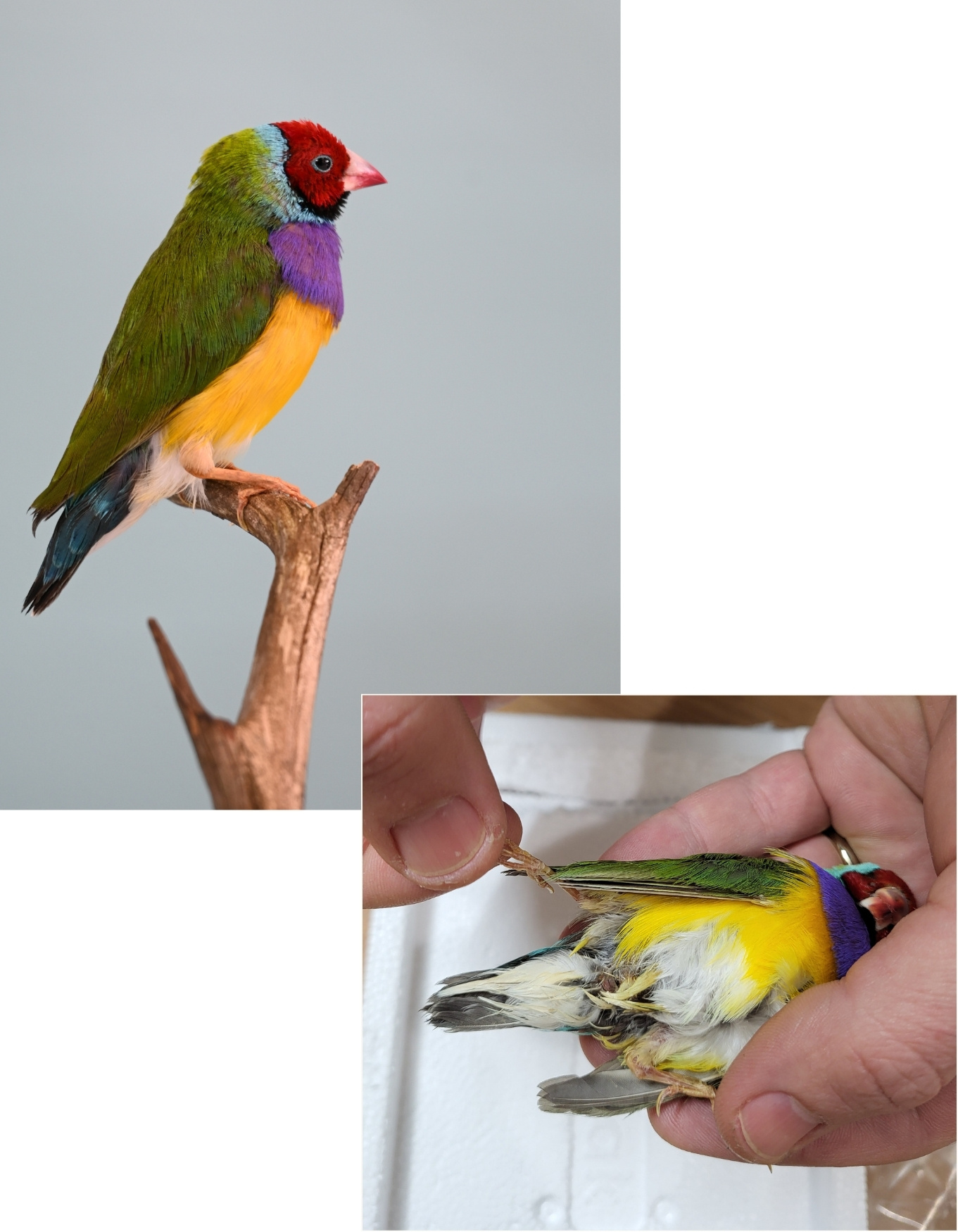
Taxidermy preserves the physical form of an animal, but it cannot reverse biological changes that occur before proper cooling or fully correct certain conditions, such as immature plumage or extensive feather loss. For this reason, the condition of the animal at the time of preservation plays a decisive role in the final result.
When handled promptly and carefully, many animals can be preserved with remarkable fidelity. When delays occur, however, natural deterioration may limit what is possible. Clear and timely communication from the beginning helps establish realistic expectations while respecting the animal's condition.
Return of Remains
Choosing taxidermy as a way to preserve a beloved pet does not exclude the possibility of honoring its remains through other means, such as burial or cremation.
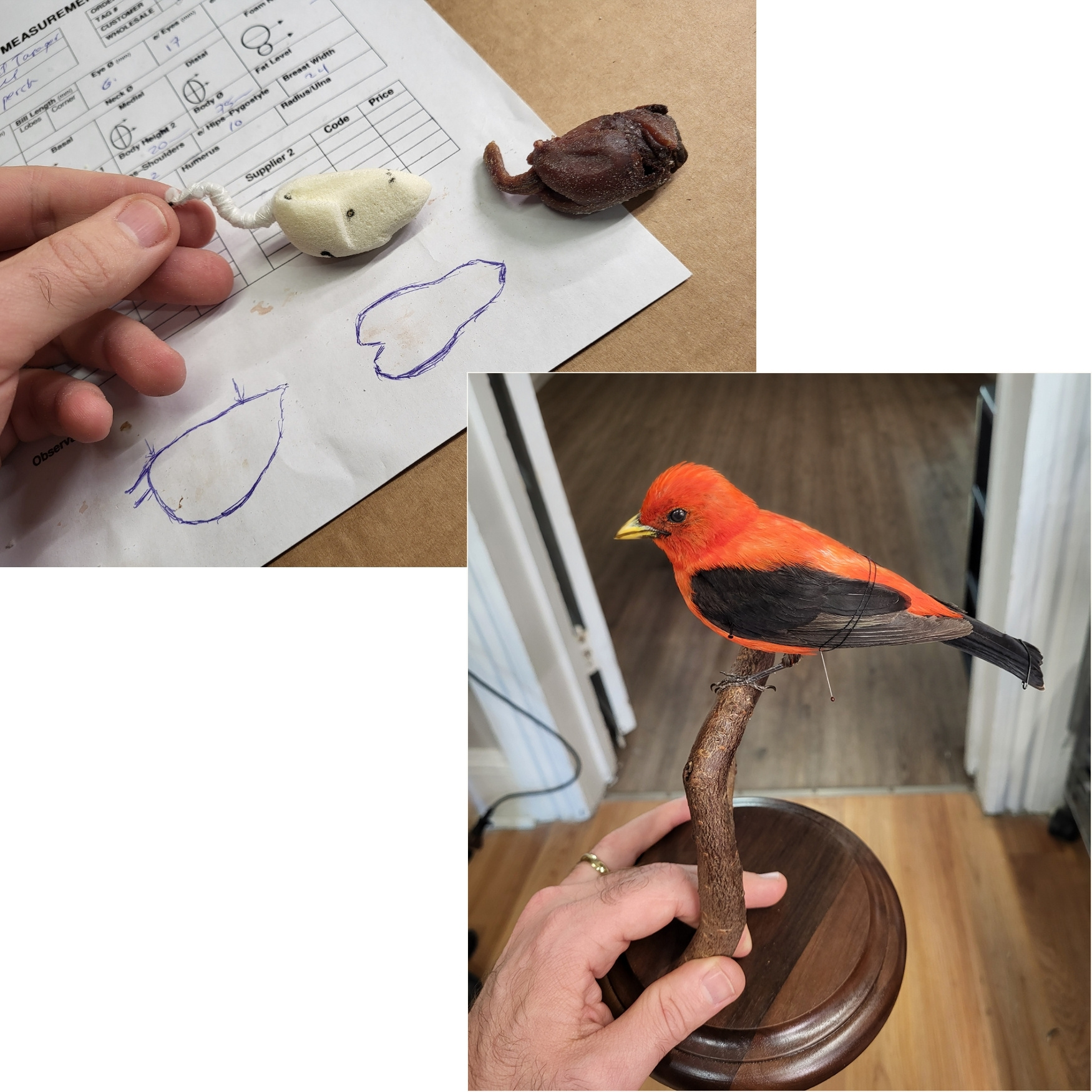
Taxidermy is an ancient preservation technique and art form that primarily uses the animal's skin and, in some cases, certain bones, such as those of the skull and limbs, to create a lifelike mount. The interior typically consists of an anatomically accurate form, molded or carved from polyurethane foam or similar materials. Consequently, much of the original body may be returned to the client upon request for burial, cremation, or other memorial arrangements.
Presentation
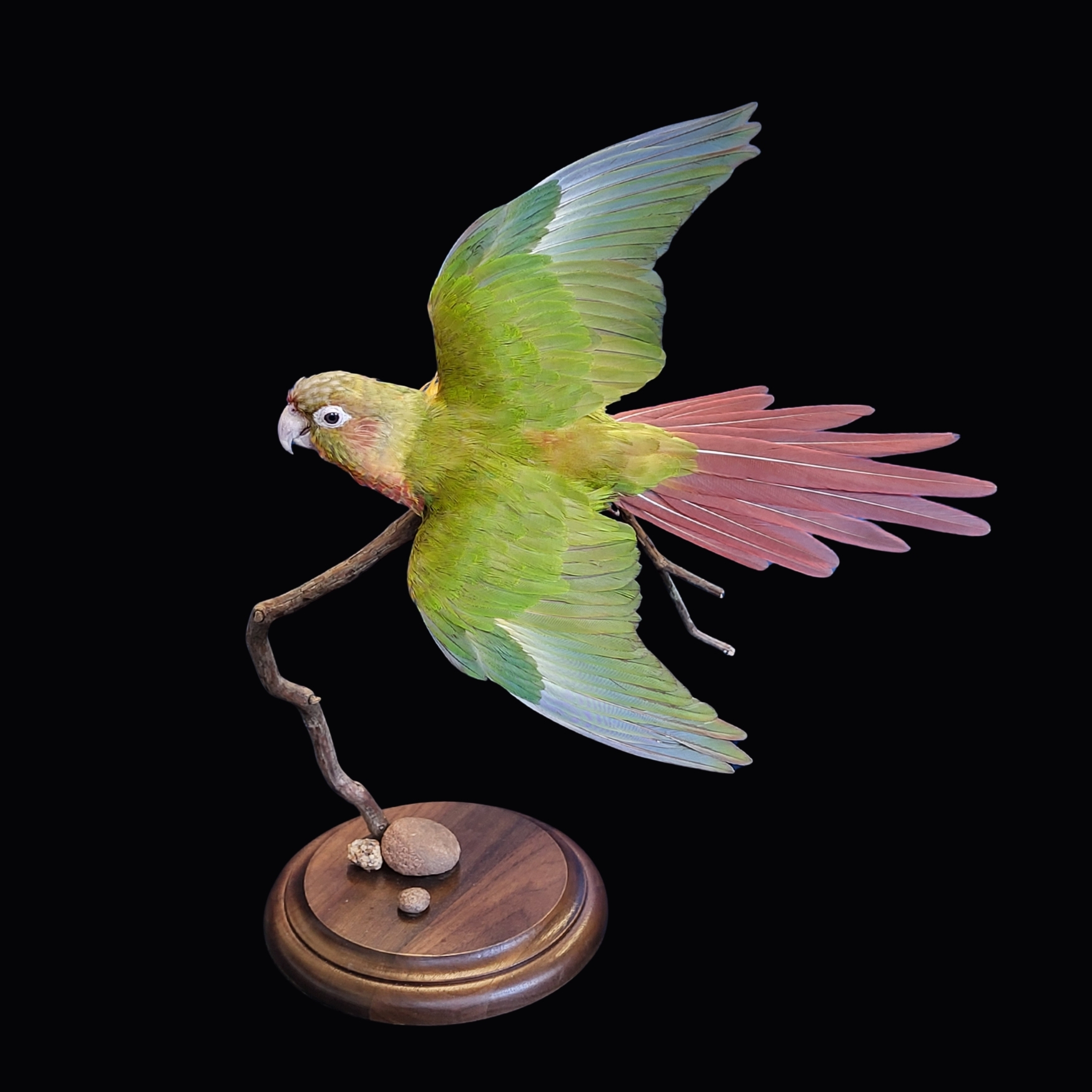
We often recommend relaxed poses, such as sleeping, resting, or simply sitting quietly. Our brains naturally associate active poses with movement, and seeing an animal completely still in such a position can create a sense of dissonance, particularly for owners who spent years knowing their pets as lively and expressive companions. A calm, lifelike pose, on the other hand, can convey peace, familiarity, and comfort, recalling the countless quiet moments spent together.
However, this recommendation should not limit how you wish to remember your beloved companion. We are happy to discuss the many possibilities for presenting your pet. What matters most is that you feel at peace with your decision and choose a thoughtful, beautiful way to honor the memories you shared.
Personal objects associated with your pet may also be brought to our studio, and we can explore ways to incorporate them thoughtfully into the overall composition. In the case of birds, feathers saved from previous molts may be particularly valuable for restoration purposes when needed.
Personal Guidance
Because pet preservation is a deeply personal decision, we encourage owners to take time to reflect and consider whether it truly feels like the right way to honor their companion. Our role as taxidermists is to approach each situation with care, professionalism, and transparency about what can realistically be achieved.
If you believe this option may be right for you, remember that proper handling during the first hours after your pet's passing can make a decisive difference in the final outcome.Should you need guidance, we are here to help you understand your options and determine the best course of action.