

Collection Care
Time takes its toll not only on living things, but also on the objects we seek to preserve. Even taxidermy pieces created to the highest standards, capable of lasting for centuries, are not immune to deterioration. Without proper care, their original beauty and condition can gradually fade through neglect, accumulated dust, or the slow but relentless effects of humidity, mold, sunlight, and pests
What History Has to Say
The earliest attempts to preserve animals in a naturalistic, aesthetically pleasing manner for public exhibition can be traced back to at least the early 18th century. The oldest known surviving preserved bird, likely embalmed, as X-ray scans suggest, is an African Grey Parrot (Psittacus erithacus) that belonged to Frances Stuart, Duchess of Richmond and Lennox, for approximately 40 years. The bird died shortly after its owner in 1702. Currently exhibited at the Westminster Abbey Museum in London, England, it is recognized by Guinness World Records as the “Oldest stuffed pet parrot,” having survived for more than three centuries!
It was during the Victorian era, however, that taxidermy flourished as an art form, with elaborate, glass-cased compositions of songbirds becoming particularly popular. Several naturalists of the period produced remarkable bird mounts that survive to this day. Among the most outstanding was the English naturalist John Hancock (1808–1890), renowned for his dramatic and anatomically accurate compositions. Many of his pieces are now preserved in the zoological collections of the Great North Museum: Hancock, in Newcastle upon Tyne, England. In North America, works by naturalists such as John Burroughs (1837–1921), William Brewster (1851–1919), and Martha A. Maxwell (1831–1881) also survive in important collections.
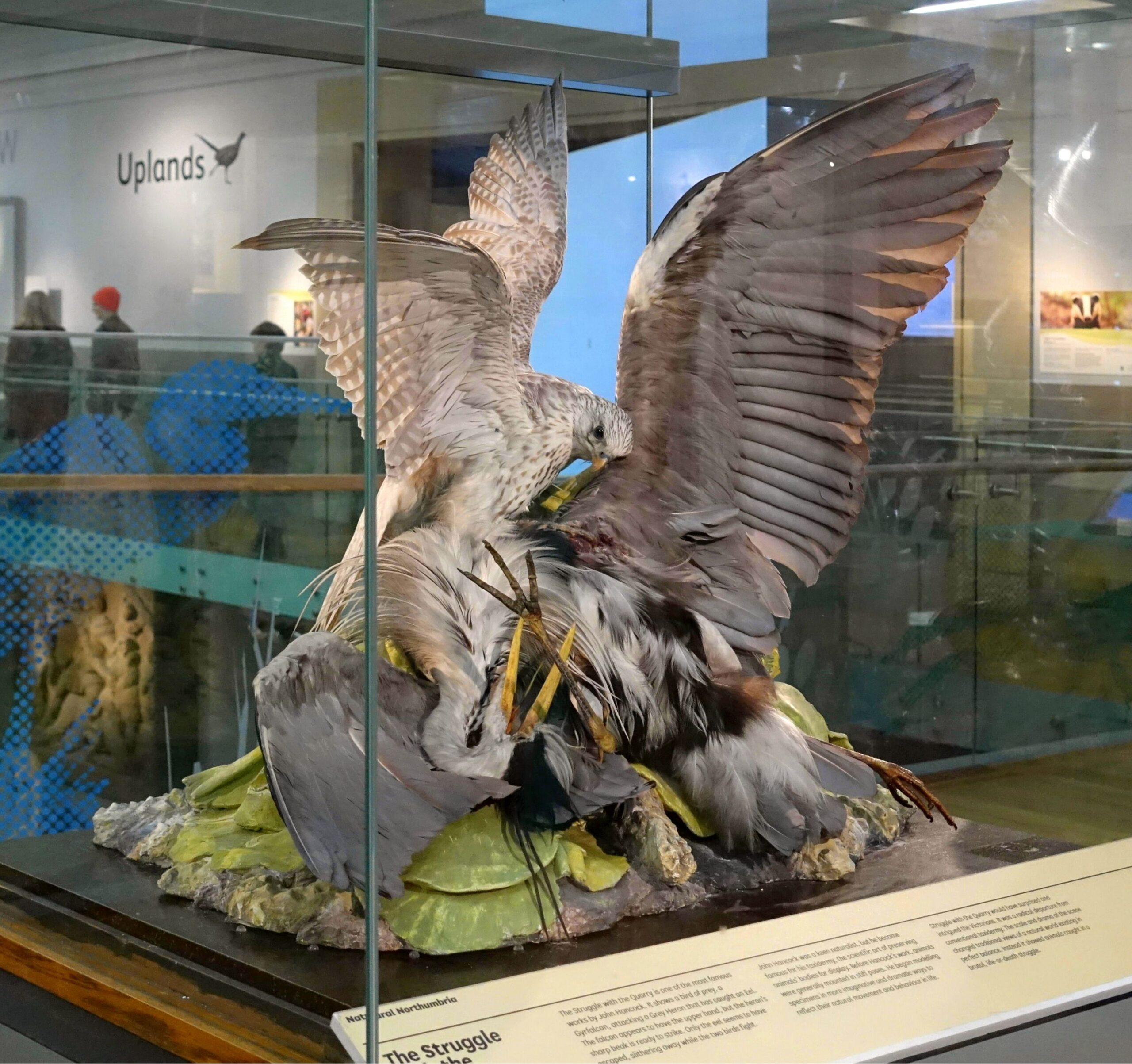
The Struggle with the Quarry, a dramatic piece created by British naturalist John Hancock (1808–1890) and first displayed at the Great Exhibition of 1851. It depicts a Gyrfalcon Falco rusticolus Linnaeus, 1758 attacking a Grey Heron, Ardea cinerea Linnaeus, 1758. The piece is almost two centuries old. Photo: Storye book / Wikimedia Commons, CC BY-SA 4.0
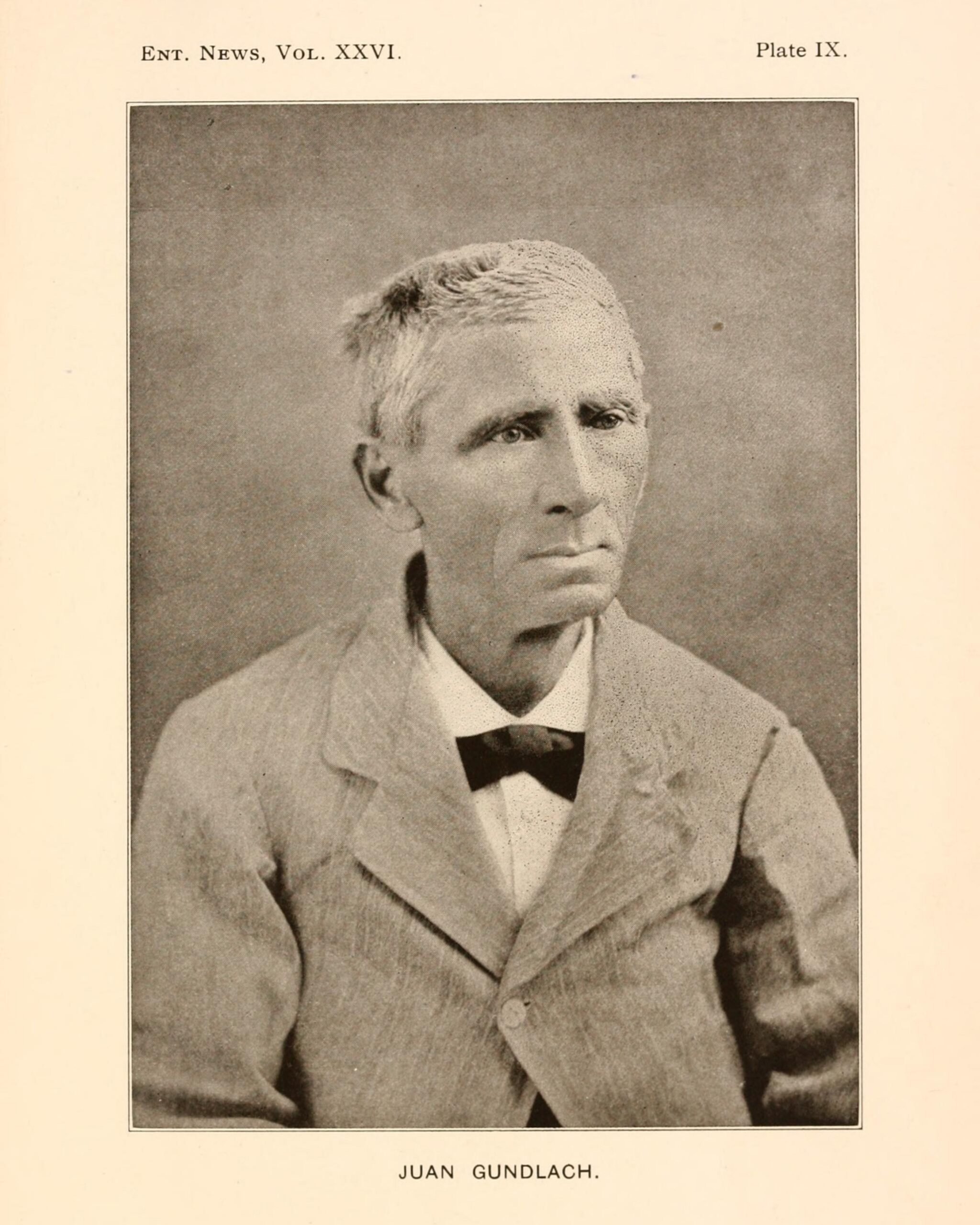
Johann Christoph Gundlach, one of the foremost figures in 19th-century Cuban natural history and an exceptionally skilled taxidermist. Portrait reproduced from Ramsden, C.T. (1915). “Juan Gundlach.” Entomological News, 26: 241–260, Plate IX.
The Forgotten Naturalist
Little-known outside Cuba, the German-Cuban naturalist Johann Christoph Gundlach (1810–1896) devoted most of his life to studying the island’s fauna. He was also an accomplished taxidermist who left an invaluable legacy. Specimens he mounted remain in Cuban zoological collections today, including examples of the extinct Cuban Macaw (Ara tricolor) and the Cuban subspecies of the Ivory-billed Woodpecker (Campephilus principalis bairdii). Their survival to the present day, despite the challenges posed by Cuba’s tropical climate, is a testament to his skills as a taxidermist.
They Are Made to Last,
But They Need Your Care
As history demonstrates, properly preserved and cared-for taxidermy can endure for centuries. These pieces may carry personal stories and memories across generations, sometimes becoming invaluable parts of a heritage that extends beyond the families who cherish them to the communities, institutions, and even nations that preserve them.
Such longevity, however, is never guaranteed. Several factors must be considered when caring for a taxidermy collection, particularly one that includes birds, whose delicate plumage is especially vulnerable to environmental conditions and deterioration over time.
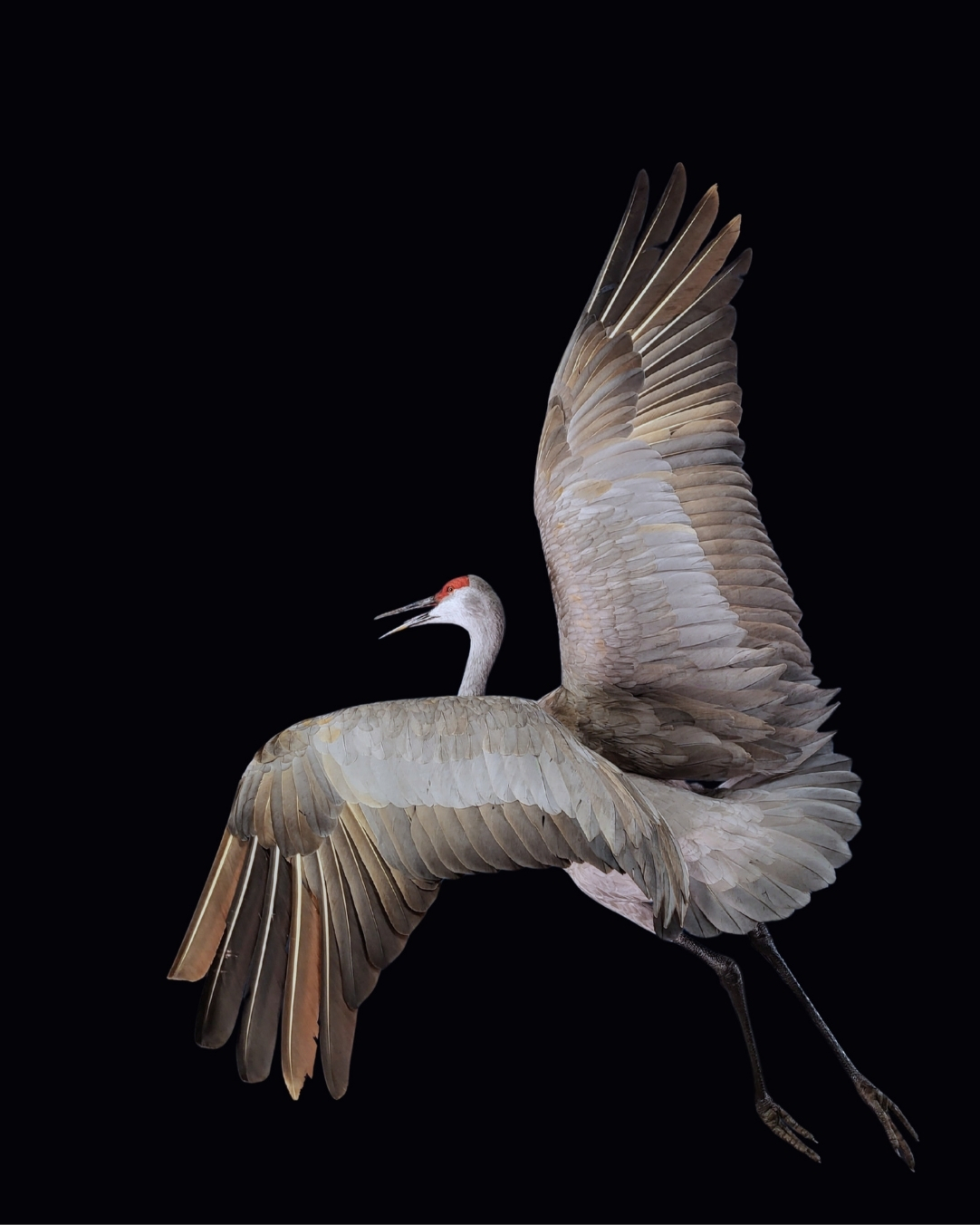
Sandhill Crane, Antigone canadensis Linnaeus, 1758.
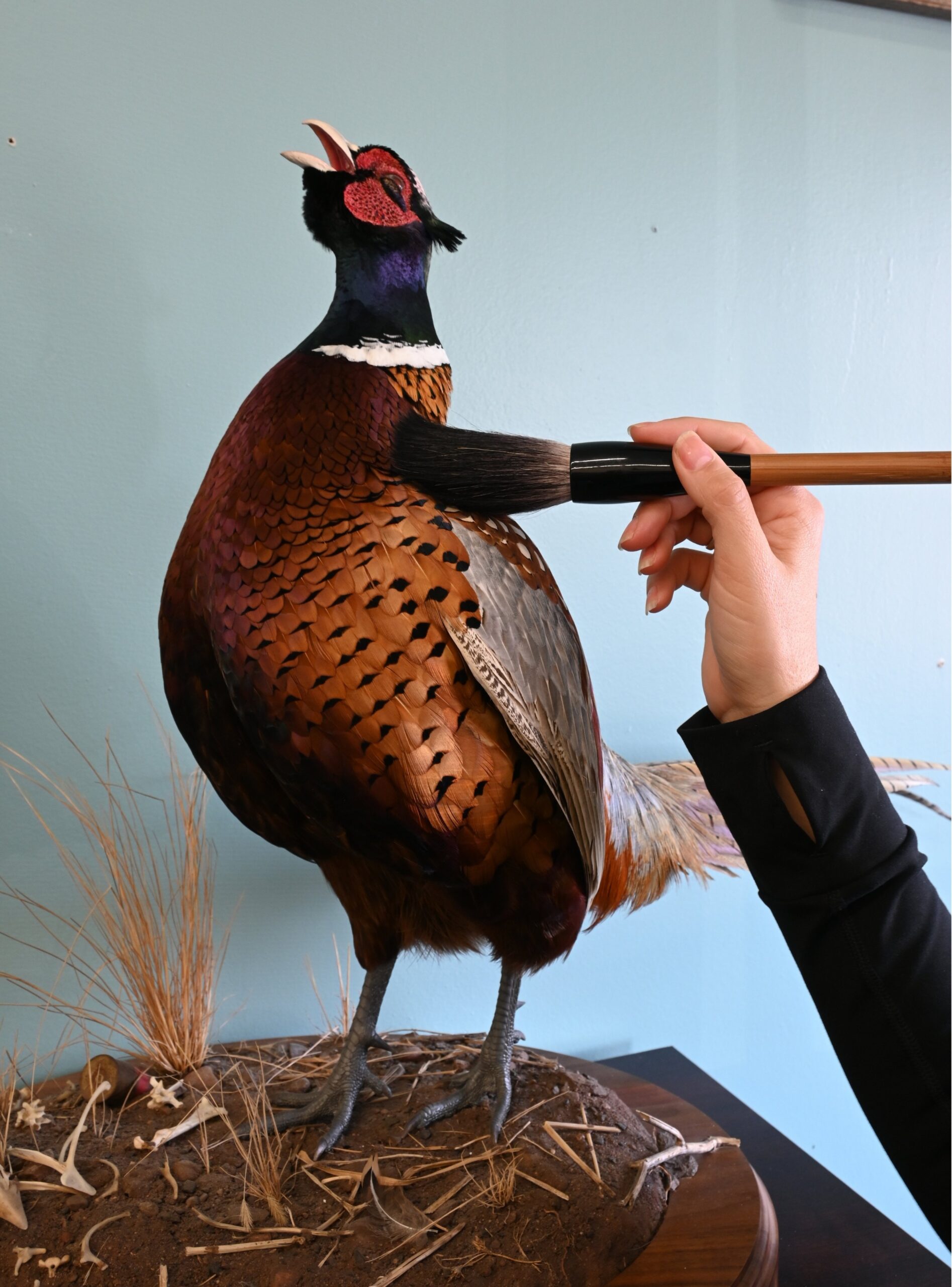
Periodic, gentle dusting helps prevent dust buildup and the risk of irreversible damage.
Dust & Surface Wear
Dust may seem harmless, but over time it can settle deep into the plumage, dulling its natural sheen and diminishing the brilliance of its colors. Improper cleaning, including vigorous brushing or vacuuming, can damage delicate feather barbs and cause irreversible wear.
Prevention and gentle, regular care are essential. Use a clean, exceptionally soft brush, such as a barber’s neck duster or a makeup brush, to gently remove surface dust and prevent buildup. Always brush in the natural direction of the feathers, never against them, to avoid disturbing or damaging their delicate structure.
Humidity
Excessive humidity is a big enemy of taxidermy. It can compromise preserved skins, encourage mold growth, and create favorable conditions for insect infestations. The ideal environment is stable and climate-controlled. Avoid keeping mounts in damp basements or attics that become excessively hot during summer. A simple dehumidifier and a humidity monitor can make a significant difference in protecting your collection.
Coming from a tropical country, we dealt with these challenges year-round. That experience led us to develop and refine preservation methods that remain central to our work today. Nevertheless, regardless of the care taken during preparation, the long-term preservation of your pieces also depends on the conditions in which they are kept and the attention they receive at home.

In humid rooms or during the summer months, when ambient humidity can be high, a dehumidifier may be necessary to maintain a safe environment for your taxidermy pieces.
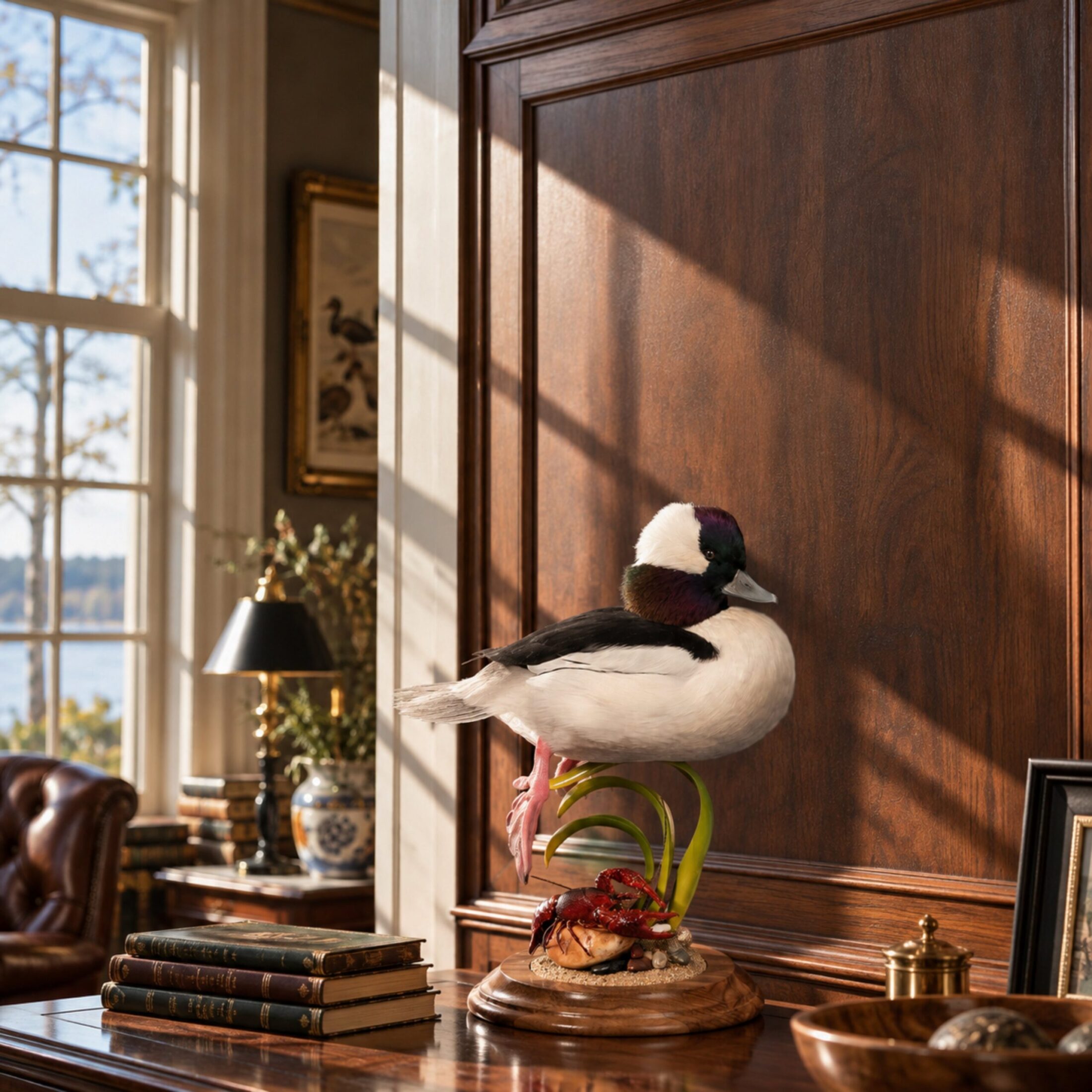
Prolonged exposure to intense lighting, whether natural or artificial, can cause irreversible deterioration of plumage colors.
Sunlight & Lighting
Light exposure can cause gradual, almost imperceptible, yet irreversible damage to taxidermy mounts, as ultraviolet radiation and intense visible light break down natural pigments, resulting in fading, bleaching, or yellowing. Even iridescent plumage, whose colors arise from microscopic structures rather than pigments, can lose its brilliance as the underlying materials deteriorate.
Avoid displaying your pieces near windows where they receive strong daylight or, worse, direct sunlight. UV-protective window films or curtains can help when natural light is unavoidable. Choose locations with subdued, indirect lighting, preferably using LED fixtures that emit little ultraviolet radiation or heat. Remember that artificial lighting can also cause fading over time, particularly when excessively bright or left on continuously. Once the original colors are lost, the damage is generally permanent. Specialized restoration may improve their appearance, but it cannot truly recreate the original natural pigmentation. Prevention, therefore, remains the most effective form of protection.
Insects & Rodents
Carpet beetles (Coleoptera: Dermestidae), clothes moths (Lepidoptera: Tineidae), and various other insects can cause extensive damage to taxidermy collections, sometimes within weeks, while rodents such as mice may gnaw on mounts or remove materials for nesting. Vigilance is essential. Inspect your pieces regularly for signs of pest activity, including fine powdery debris, shed insect skins, damaged feathers, or small holes. Appropriate insect-monitoring traps can help detect problems early, while carefully selected preventive treatments can reduce the risk of infestation. If an infestation is suspected, prompt treatment is far more effective and less costly than attempting extensive restoration later, assuming restoration is even possible.
Some companies develop specialized products for the prevention and treatment of pests affecting taxidermy collections. One example is Pennsylvania-based Mount Medix, which offers products designed specifically for the care and preservation of mounted specimens.
Webbing Clothes Moth (Tineola bisselliella). Photo: Ben Sale.
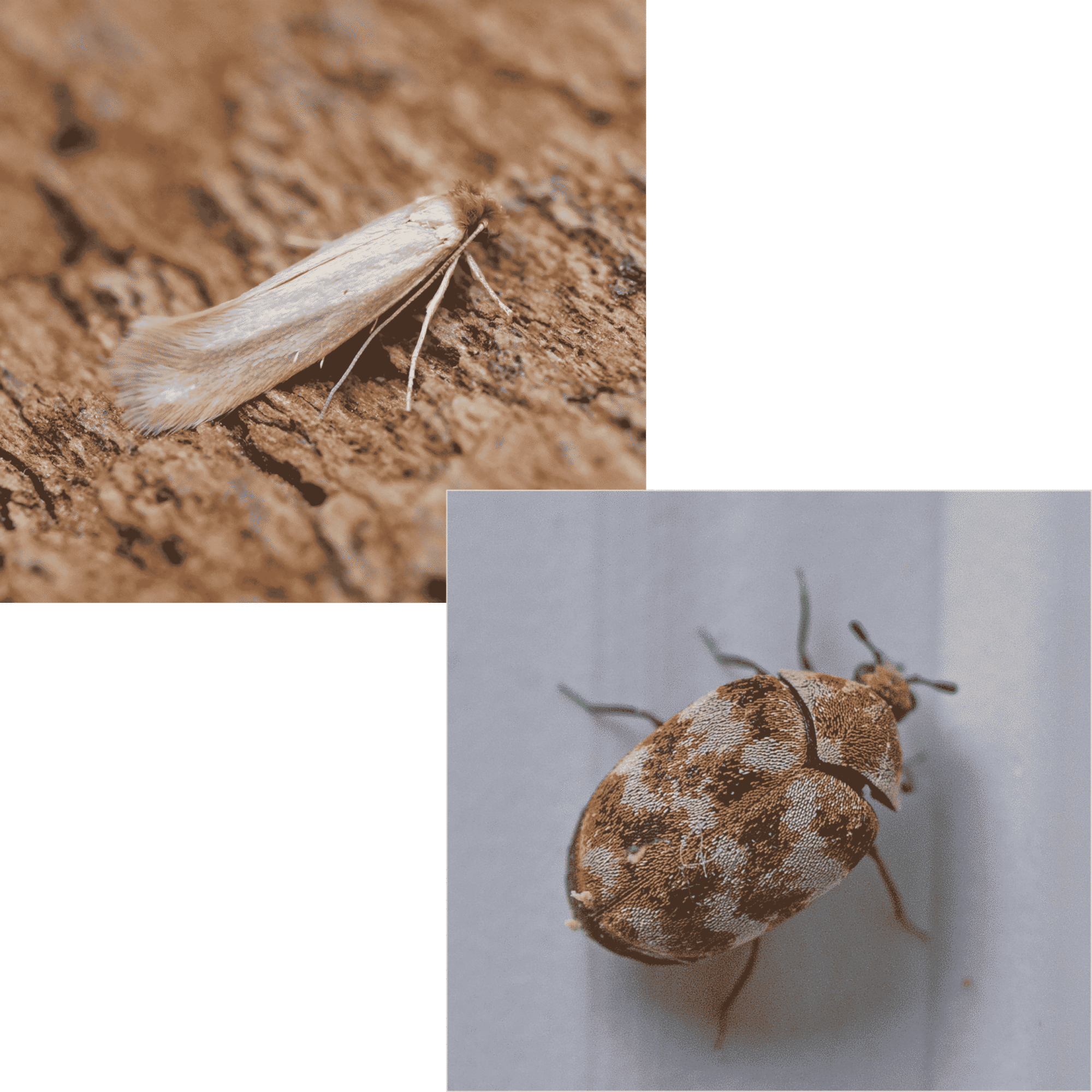
Varied Carpet Beetle (Anthrenus verbasci).
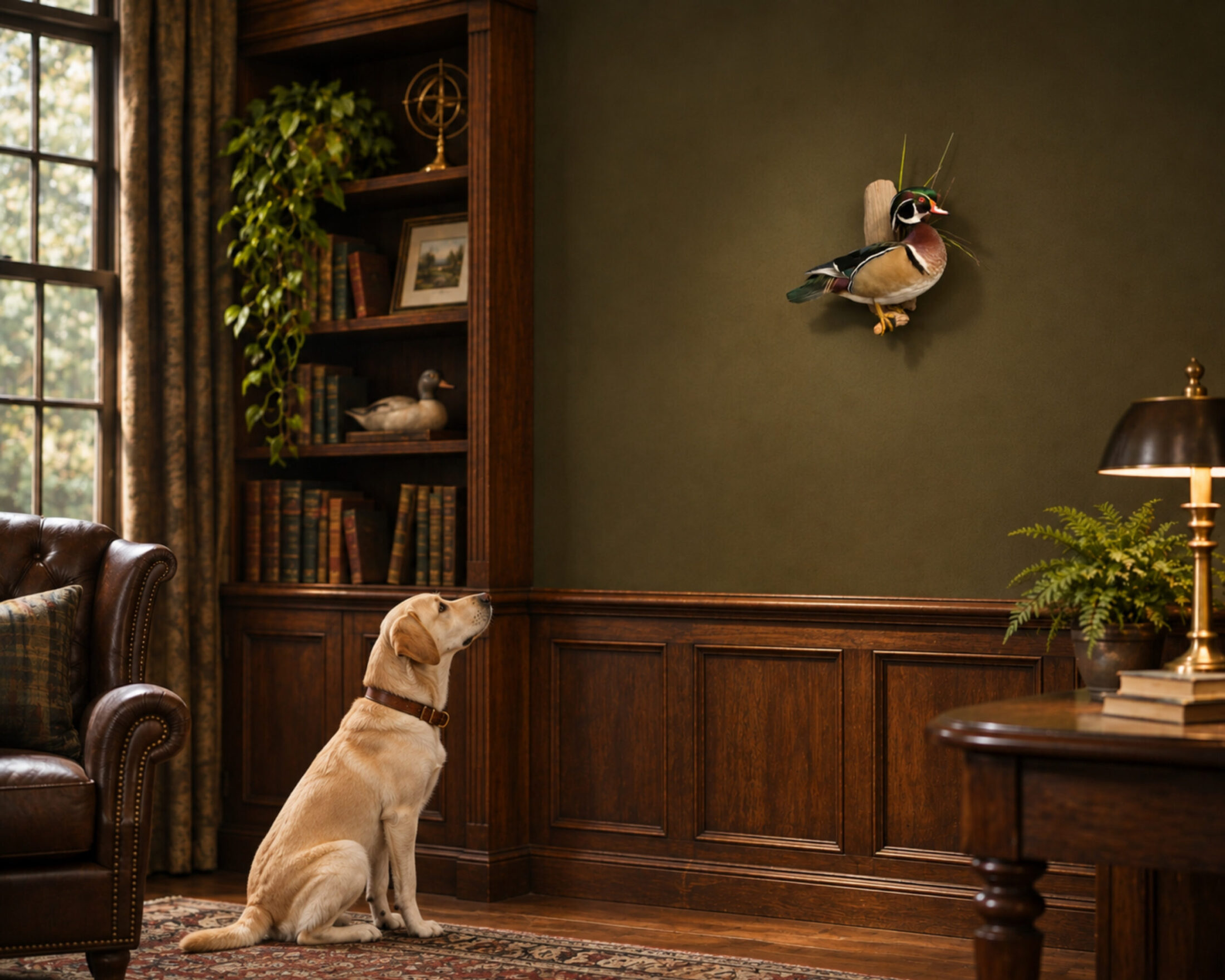
Hunting dogs can become particularly curious about mounted birds, which closely resemble the ones they are trained to retrieve in the field.
Accidental Damage
Not all threats come from the environment. Children at play, curious pets, or simple household accidents can damage delicate feathers, wings, tails, long necks, or other exposed parts of a mount in an instant. To minimize these risks, display your pieces where they can be admired but not easily reached. Elevated displays or protective cases can provide additional safety without compromising their aesthetic appeal.
Protective Display Cases
Many taxidermy pieces from the 18th, 19th, and early 20th centuries that have survived to the present day have one thing in common: they were kept in enclosed displays, such as glass cases or domes. This remains one of the most effective ways to safeguard a taxidermy mount. Beyond their elegance, these enclosures provide a physical barrier against dust, airborne contaminants, pests, and accidental handling. By limiting exposure to the surrounding environment, they help preserve feather integrity, color, and overall condition over time.
Another advantage is practicality: pieces kept in protective cases require far less cleaning and routine maintenance than those left exposed. Every cleaning, no matter how gentle, carries some risk of mechanical damage to the delicate microstructures of feathers, potentially causing distortion or even breakage. Minimizing the need for such intervention helps extend the lifespan of a piece.
Protective cases also offer an opportunity for refined presentation, transforming taxidermy mounts into carefully curated works of art. Whether displayed in custom-built glass cabinets or individual glass domes,
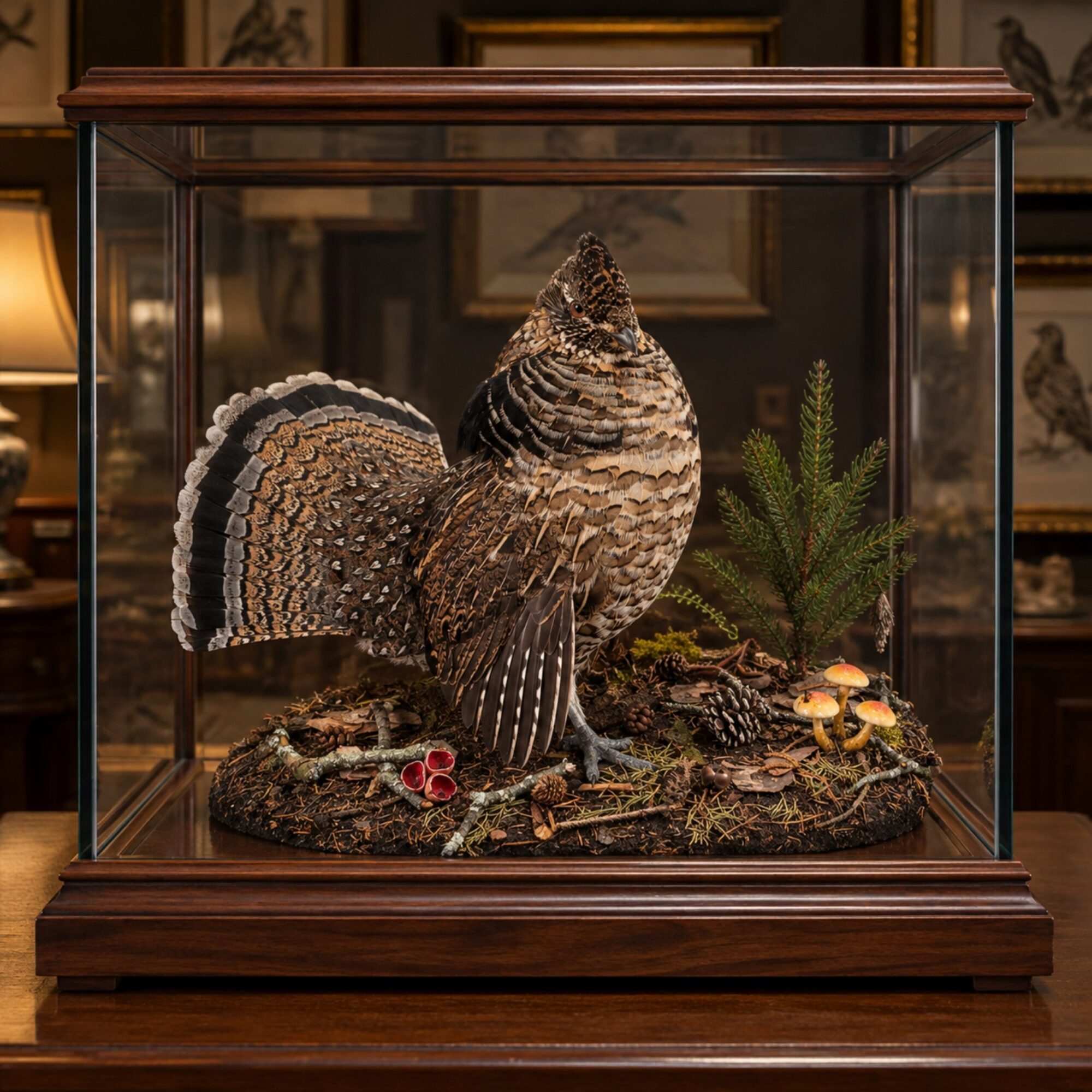
Ruffed Grouse, Bonasa umbellus (Linnaeus, 1766).
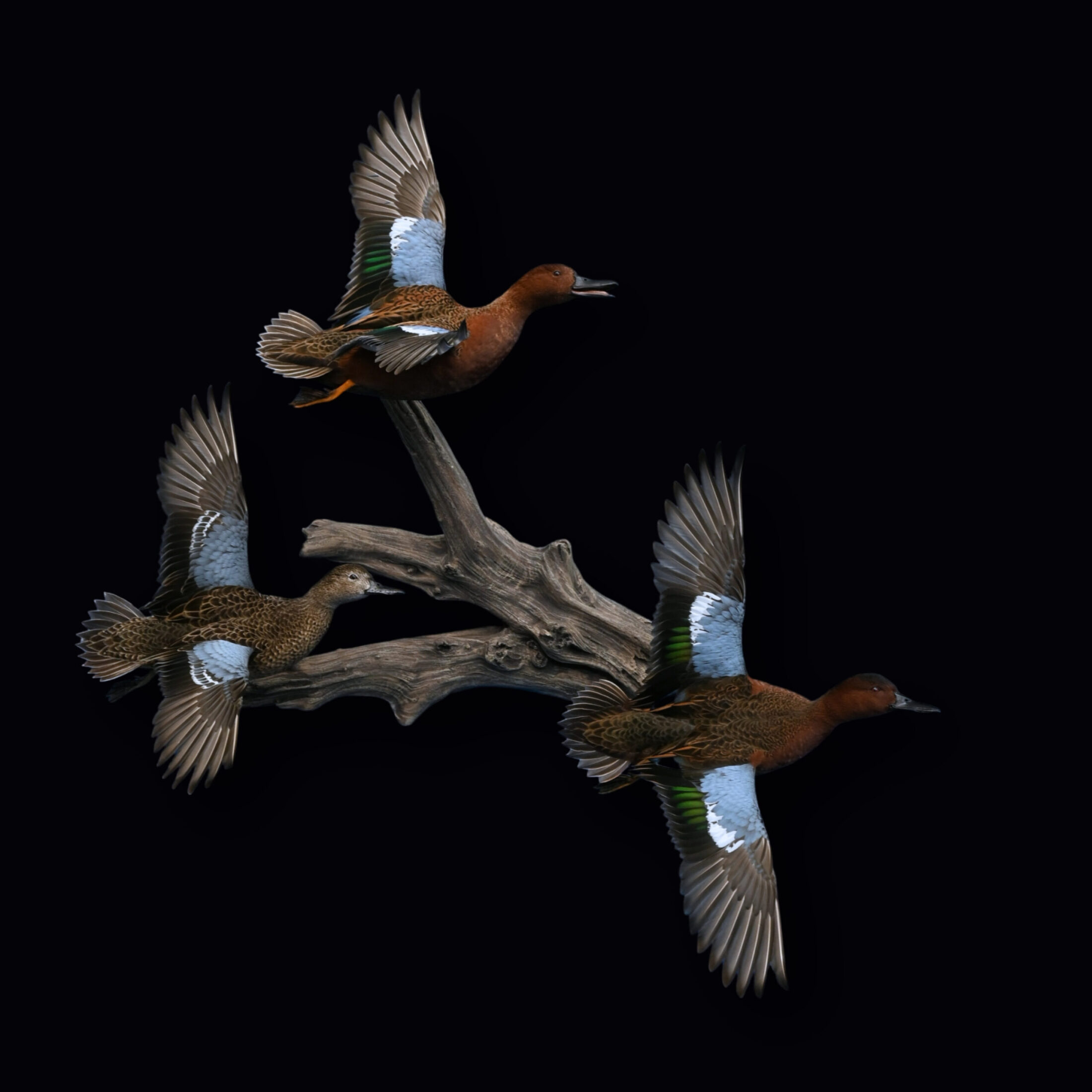
Cinnamon Teal trio, Spatula cyanoptera (Vieillot, 1816)
Preserving a Legacy
A taxidermy piece is a memory, a story, and often a legacy meant to outlast the person whose life became intertwined with that of the bird. Preserving it requires attention, but not constant effort. With a stable environment, gentle maintenance, and vigilance against potential threats, your collection can retain its beauty and integrity for generations.
Through thoughtful care, these pieces can become cherished heirlooms, carrying their stories forward long after those who first treasured them are gone.