Pet Preservation for Taxidermy
What to Do Immediately After the Passing of a Beloved Companion
The passing of a beloved animal is a deeply emotional moment. In the first hours after loss, it is natural to focus on memories and grief. However, if you are considering preserving your pet through taxidermy, it is important to understand that time and proper handling are critical.
Natural biological changes begin shortly after an animal’s passing. The most important step is cooling and protecting the specimen as soon as possible. Doing so dramatically increases the likelihood that preservation can be achieved successfully and respectfully.
Even short delays at room temperature, or worse, near a heat source, can accelerate natural post-mortem changes that may affect the final appearance of the mount or, in some cases, make preservation impossible.
Prompt action helps ensure that the specimen remains in the best possible condition.
Measurements
In the case of reptiles, measuring the total length, including the tail (for lizards and snakes), or weighing the animal (for turtles) is an important first step before contacting your taxidermist, as many projects are quoted based on size.
Because accurate anatomical measurements are essential for recreating lifelike forms, final measurements are normally verified during the preparation process. If a specimen arrives frozen and exact measurements cannot be taken immediately, an initial estimate provided by the client may be used for preliminary quoting until accurate measurements can be confirmed. Should any discrepancies arise, they will be discussed with the client and adjustments made if necessary.
Handling, Packing and Freezing the Specimen
Once the animal has passed:
- Avoid excessive handling. Our own bodies are a significant source of heat, which may accelerate post-mortem changes.
- Do not wash or clean the specimen. Cleaning and preparation are part of the taxidermy process and will be handled professionally at the studio.
- Do not attempt to prepare the skin yourself.
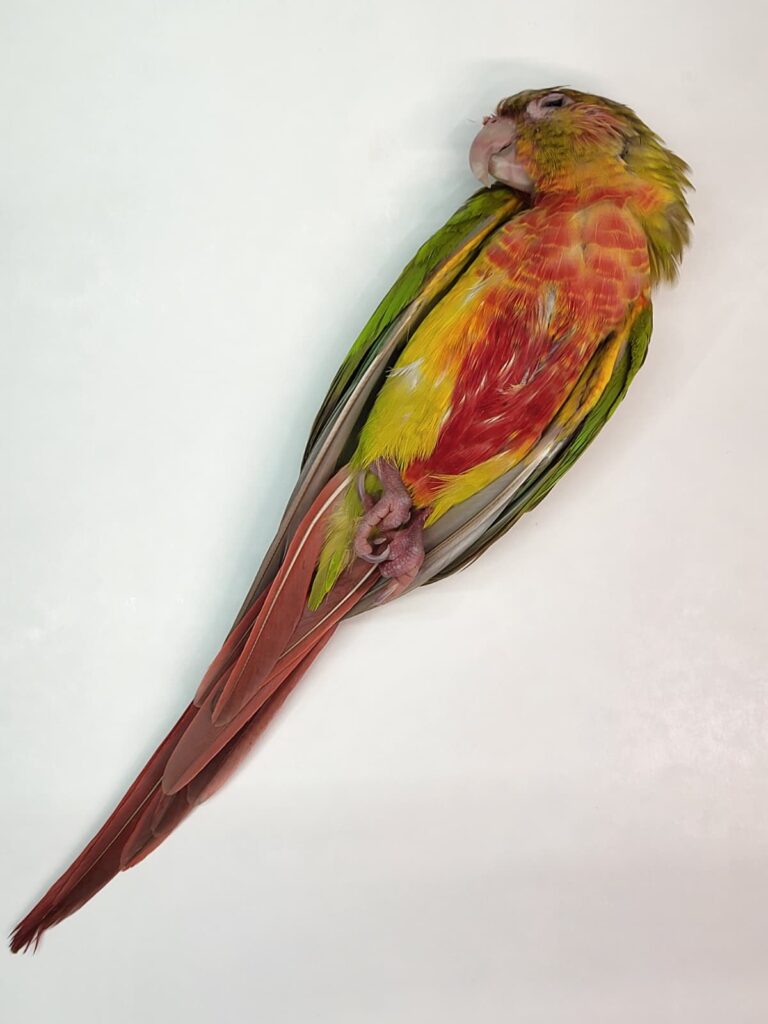
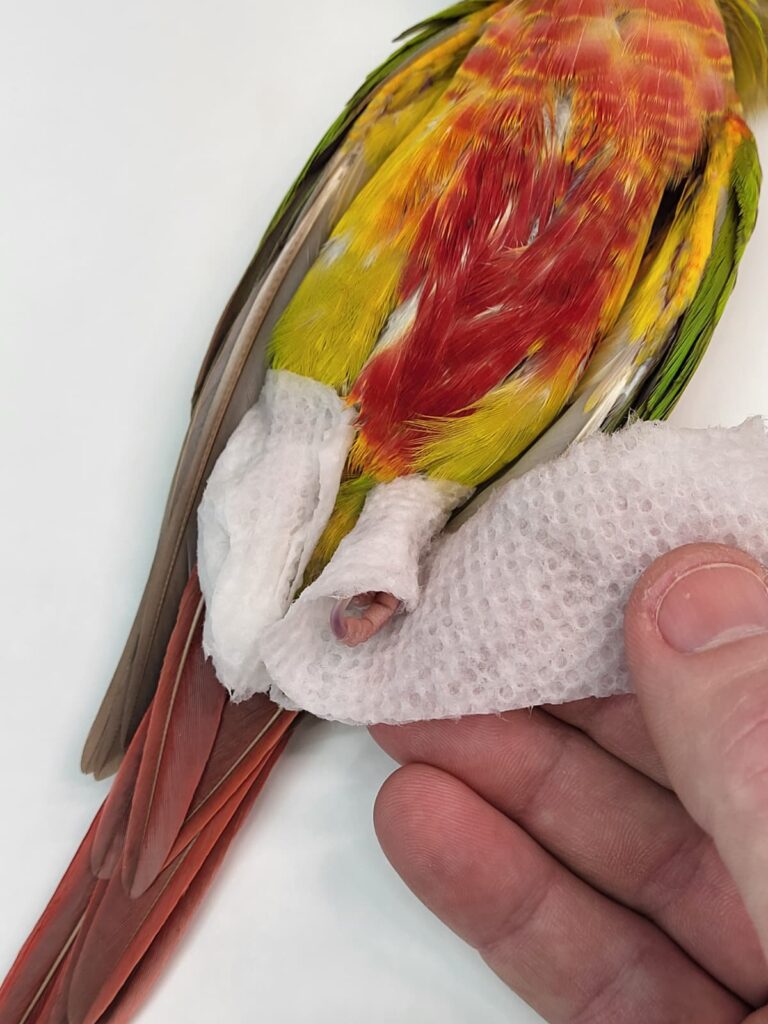
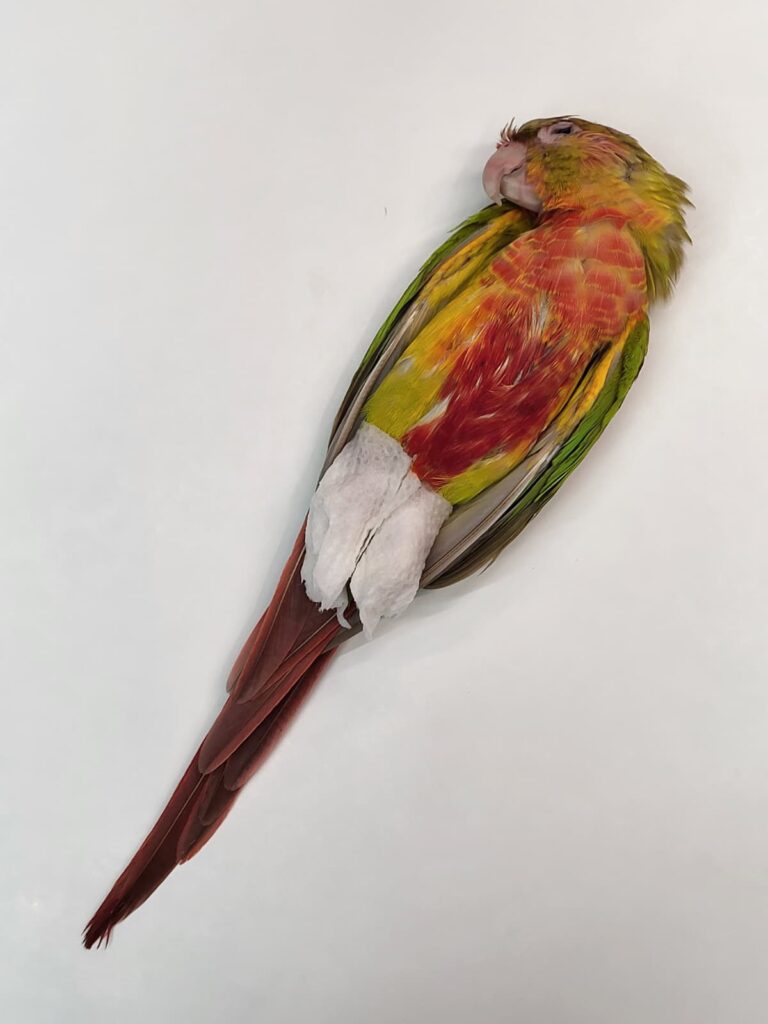
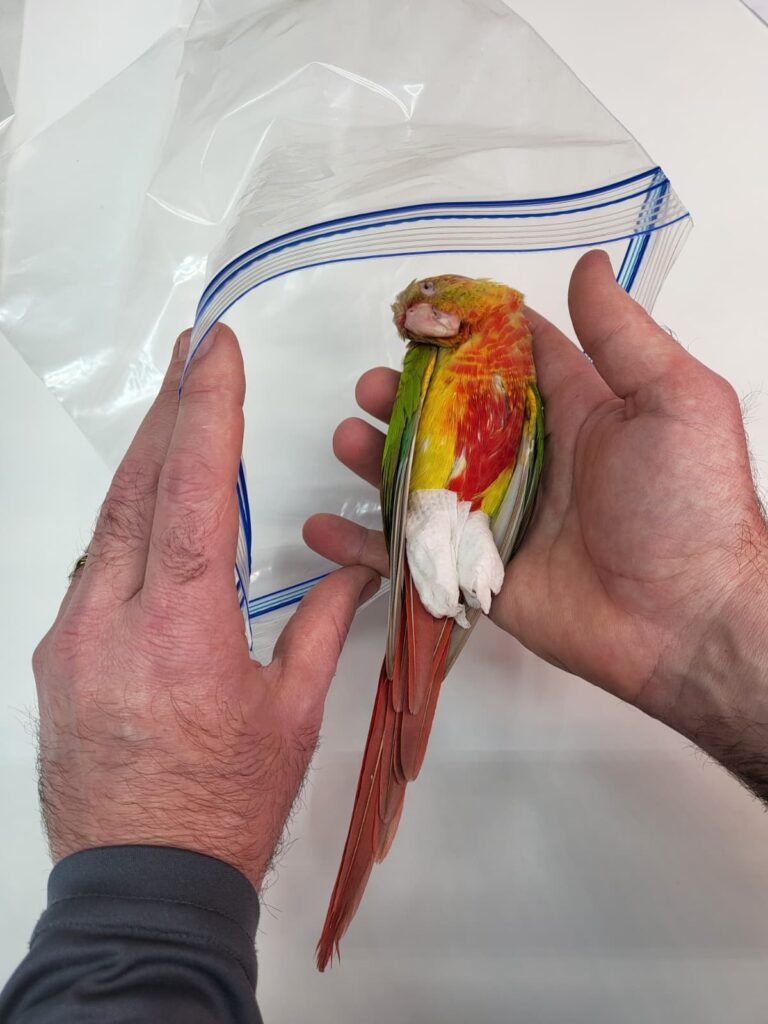
- Position the specimen in the most compact way possible, as any part extending away from the body becomes vulnerable to breaking once frozen solid. If it is a bird, fold the head and neck gently back against the body, fold the wings, bring the feet close together and wrap them with wet paper towel to avoid freezer burn. If it is a lizard or a turtle, bring the legs close to the body and gently loop the tail. If it is a snake, simply coil it as tightly as possible.
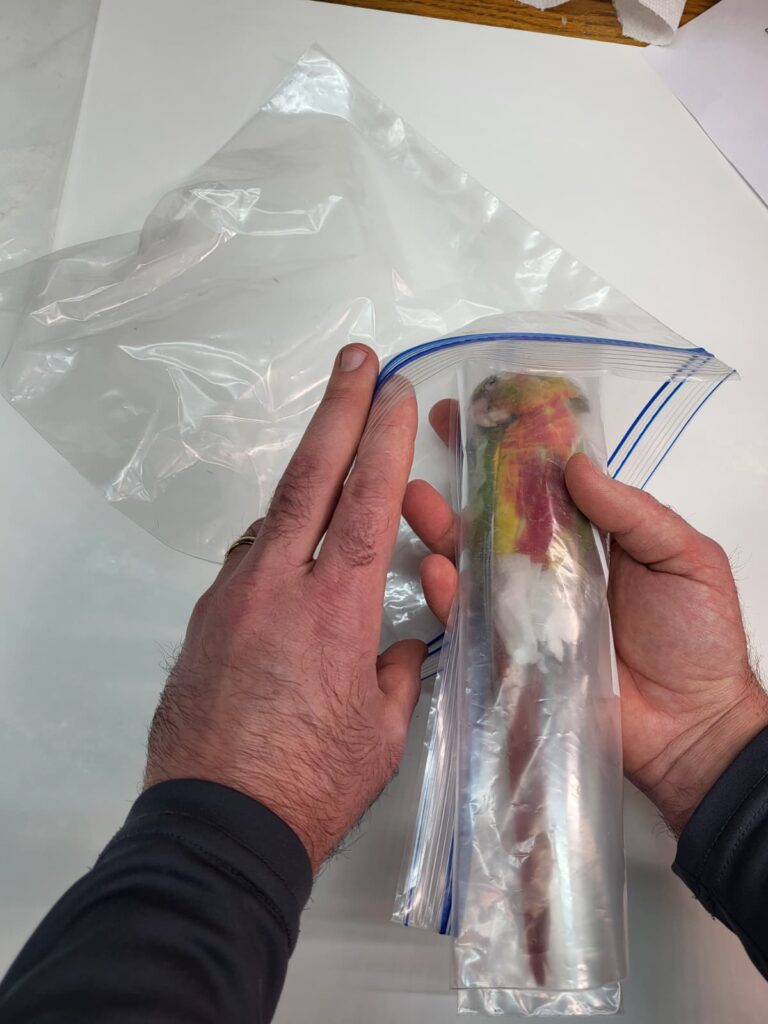
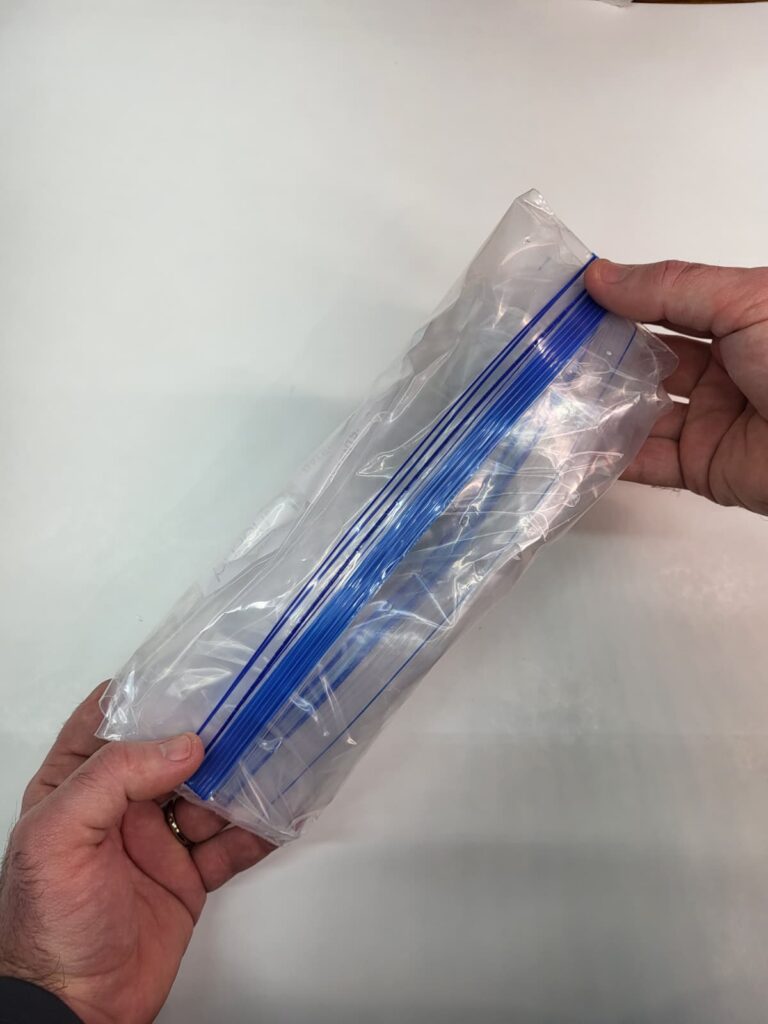
- Then, place the body in two or three clean plastic bags.
- Gently remove as much air as possible from each bag before sealing them.
- Place the specimen in a freezer immediately.
- Cooling the specimen slows biological changes and preserves the tissues needed for accurate taxidermy work.
Contact the Studio Early
If you are considering preservation, we recommend contacting the studio as soon as possible after cooling the specimen. Early communication allows us to provide guidance tailored to the specific animal and situation. In some cases, photographs may help determine whether preservation is feasible before transportation is arranged.
(860) 637-7706
studio@aixtaxiermy.com
Understanding Natural Limitations
Taxidermy preserves the physical form of an animal, but it cannot reverse biological changes that occur before proper cooling. For this reason, the condition of the specimen at the time of preservation plays a decisive role in the final result.
When handled promptly and carefully, many animals can be preserved with remarkable fidelity. When delays occur, however, natural deterioration may limit what is possible.
Clear communication at the beginning helps ensure that expectations remain realistic and respectful of the animal’s condition.
Return of Remains
Choosing taxidermy as a way to preserve your deceased pet does not exclude the possibility of honoring its remains in other ways, such as burial or cremation.
Taxidermy is an ancient preservation technique and art form that uses primarily the skin and some bones like the skull and limbs to create lifelike mounts. The interior of a mount is composed primarily of anatomically accurate forms molded or carved from polyurethane or similar materials. Much of the original carcass may be returned at the client’s request for funeral procedures.
Display
We often recommend relaxed poses such as sleeping, resting, or simply sitting quietly. Our brains naturally associate active poses with movement, and when the animal is still, that creates some dissonance, especially for owners who spent years seeing their pet in motion and full of expression. A calm, lifelike pose instead conveys peace, familiarity, and comfort, just like the countless quiet moments you remember them at rest.
However, this should not limit the way you may wish to remember your beloved companion. We would be happy to discuss the many possibilities for presenting your pet. The most important thing is that you feel at peace with your decision, choosing a beautiful and thoughtful way to honor the moments you shared.
Personal objects associated with your pet may be brought to us, and we will be happy to discuss ways they may be thoughtfully incorporated into the overall design of the mount. In the case of birds, feathers saved from previous molts may also be helpful for restoration purposes when needed.
A Final Note
Because this is a deeply personal decision, we always encourage owners to take a moment to reflect and ensure that preservation truly feels like the right way to honor their companion. Our role as taxidermists is to approach that decision with care, professionalism, and transparency about what can be achieved.
If you believe this option may be right for you, proper handling in the first hours after passing will make the greatest difference.
Should you need guidance, we are always available to help you determine the best course of action.
(860) 637-7706
studio@aixtaxiermy.com